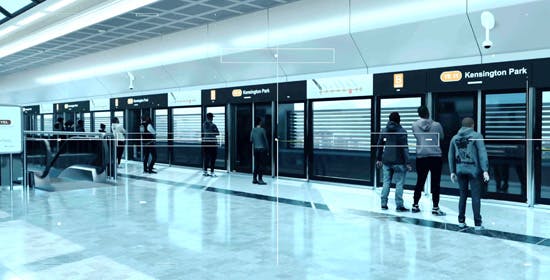
In 2024, Saudi Arabia launched Riyadh Metro, the Kingdom’s first fully automated and driverless metro network. Spanning six lines and 85 stations, this network was designed to reshape daily commuting across the capital. Within the first 10 weeks of operation, Riyadh Metro facilitated over 162,000 trips and carried more than 18 million passengers, including 10 million on its Blue Line alone.
Our Urban Solutions’ Mobility team was responsible for delivering and integrating the AGIL® Platform Screen Doors (PSDs) and AGIL® Passenger Information Systems (PIS) for Riyadh Metro, serving as technology partner to Alstom and Siemens Mobility which were leading the project. Our team’s scope included integrating over 1,600 PSDs across five metro lines and installing the PIS in 138 train cars across three metro lines.
The Challenge
This project presented several challenges that shaped our delivery approach. Riyadh’s arid climate and frequent dust exposure demanded durable and highly resilient systems, while the diversity of Riyadh Metro’s station platform architecture required customised PSDs configurations to ensure both safety and operational reliability.
Additionally, the PSD and PIS had to be tightly integrated with external systems, such as signalling, train control and communications systems, which increased the technical complexity of the work.
These demands were further compounded by compressed project timelines that required rigorous project management and careful coordination across every project stage.
The Solution
To ensure successful implementation, our delivery approach was built on three core pillars: tailored solutions, a strong local presence backed by global experience, and close collaboration with key stakeholders - Alstom , Siemens Mobility and the Riyadh Metro Authority.
1. Tailored solutions
This project presented challenges that required customised and flexible engineering solutions:
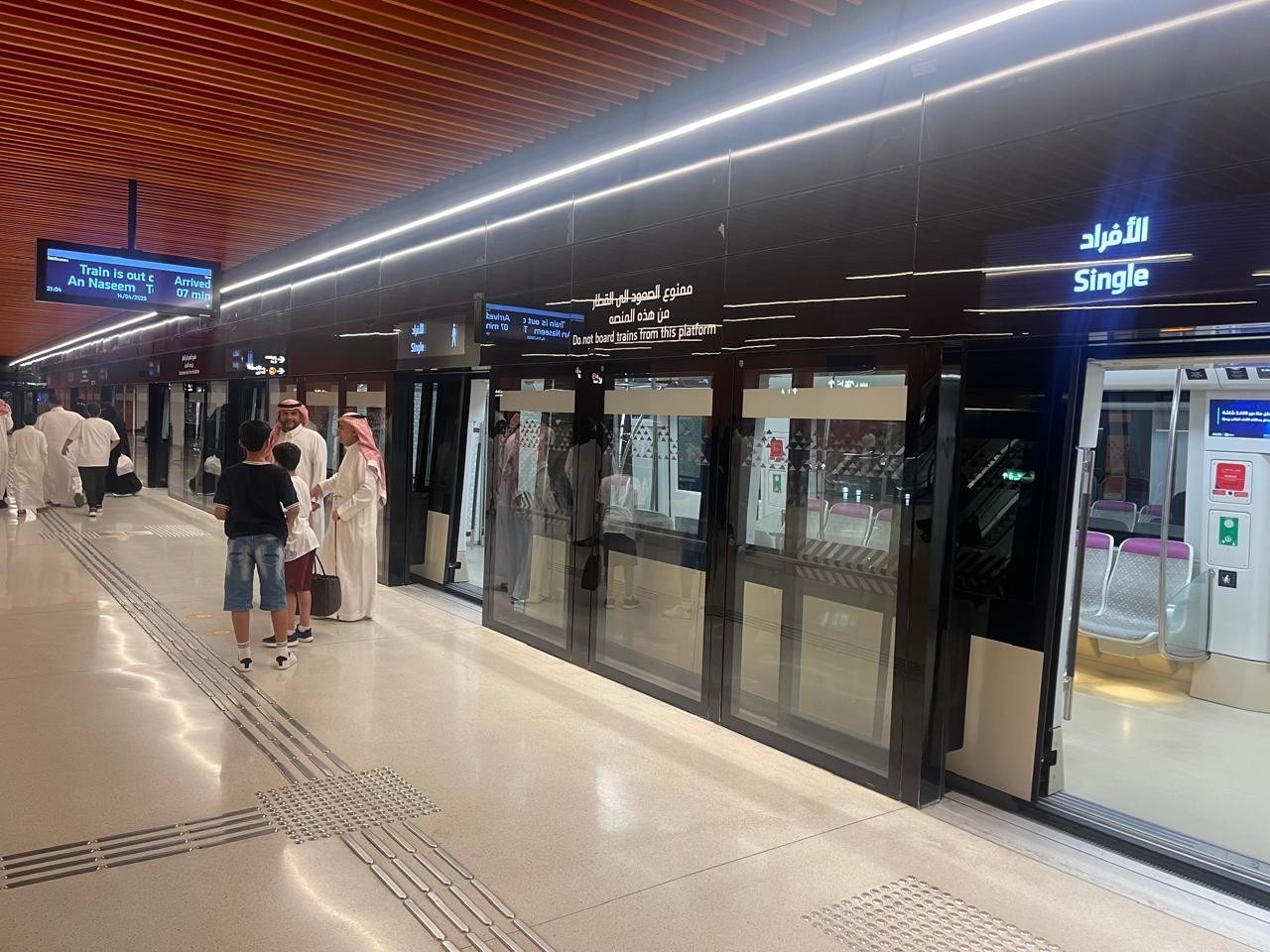
The PSDs were designed to withstand harsh environmental conditions, improving durability and reducing maintenance frequency.
2. Local presence, global experience
We were on the ground to provide direct, real-time support throughout the project. This strengthened coordination, accelerated decision-making and ensured responsiveness and continuity needed to meet tight timelines and high-performance standards.
We also drew on our prior experience in deploying integrated rail systems across diverse urban environments. With a proven track record working with Siemens and Alstom on similar PSD and PIS implementations, we not only brought trusted technical expertise but also global best practices, contributing to smooth execution and on-schedule delivery despite the project’s scale and complexity.
3. Collaboration
We collaborated closely with Siemens, Alstom, and the Riyadh Metro Authority to ensure consistency throughout the design, installation and operational phases.
The Result
The implementation of the full-height PSDs had significantly enhanced platform safety and operational reliability across the Riyadh Metro network. Built for harsh desert conditions, the PSDs maintained reliable operation with minimal downtime, low maintenance, and seamless integration with train control systems, supporting smoother and more punctual services.

The PIS enhanced operational efficiency and the commuting experience with real-time updates on journeys and wayfinding.
Integrated with Alstom’s trains and train management systems, the PIS improved operational efficiency and commuter experience through real-time updates on journeys, service changes and wayfinding. Engineered to meet industry standards for rail communication, the PIS ensured interoperability with onboard control, signalling, and diagnostics systems.
We completed all PSD and PIS installations ahead of schedule and achieved over three million man-hours without a single Lost Time Incident. This achievement earned us Siemens’ Environment, Health and Safety Champion award. We were also the first contractor to complete system installations between transit lots, demonstrating our disciplined execution and strong site coordination.
Together, these outcomes supported the safe, reliable, and efficient operation of Saudi Arabia’s first fully automated metro network and laid the foundation for long-term service excellence.
Future Plans
The Riyadh Metro is now a vital part of the city’s infrastructure and a cornerstone of the Kingdom’s smart city vision. Our Urban Solutions role in this project demonstrates our ability to deliver complex, high-impact smart metro solutions remain resilient, even in challenging environments
As cities around the world continue to invest in safer, smarter and more sustainable public transit systems, we remain focused on strengthening its collaboration with global partners to support the development of efficient, reliable and future-proof metro systems that deliver positive outcomes for transport operators and improve quality of life for communities.
By subscribing to the mailing list, you confirm that you have read and agree with the Terms of Use and Personal Data Policy.