

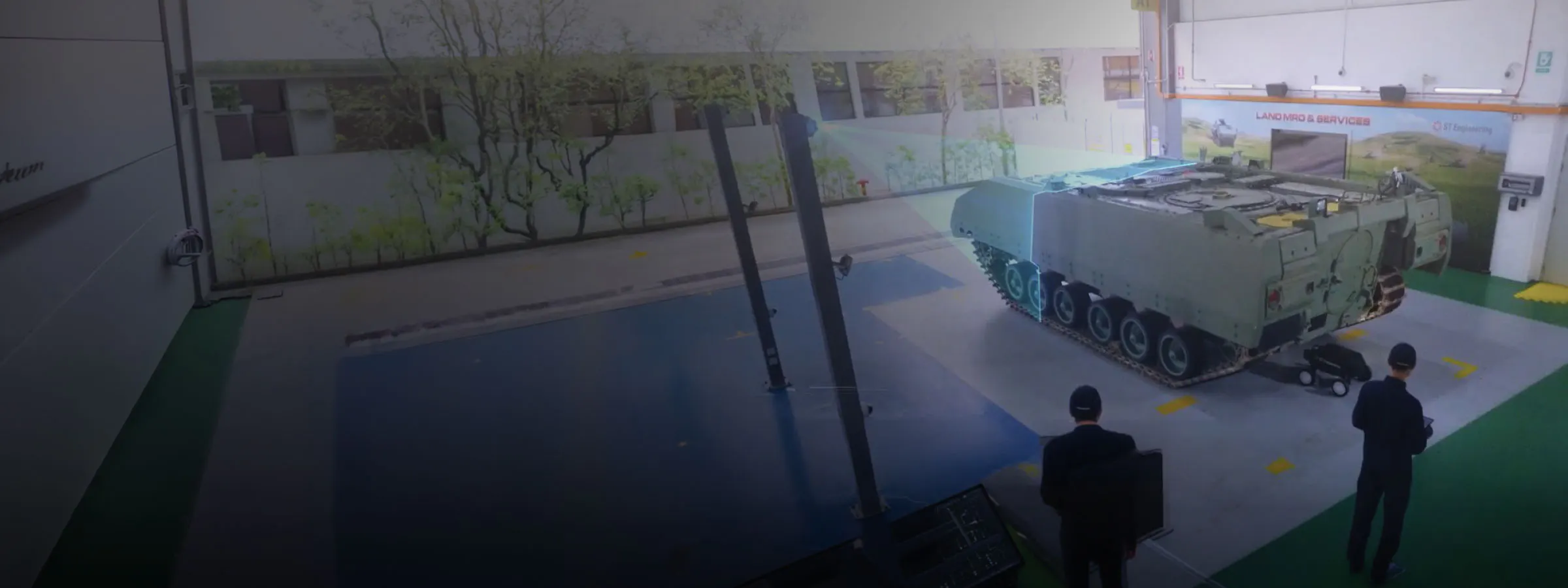
Fleet operations today are becoming more complex, with increasing demands on safety, efficiency, and readiness. Traditional inspection methods often struggle to keep up, relying heavily on manual checks that can be time-consuming and prone to inconsistencies. This creates gaps in reliability and slows down operational workflows.
Artificial intelligence is reshaping how inspections are carried out by introducing automation and data-driven insights. With smarter systems in place, organisations can detect issues earlier, improve decision-making, and ensure fleets remain operational with minimal disruption.
Vehicle inspection is no longer just a routine requirement. It plays a critical role in ensuring safety, maintaining compliance, and supporting operational readiness across fleets. As fleets grow in size and complexity, inspection processes must evolve to remain effective.
Data-driven inspection allows organisations to anticipate potential issues before they escalate. This leads to better maintenance planning, improved asset utilisation, and reduced unexpected downtime. It also enables more accurate forecasting of manpower and spare parts, helping teams work more efficiently.
Manual inspections often depend on human judgement, which can vary from one technician to another. This inconsistency increases the risk of missed faults or unnecessary rework. In some cases, technicians are also exposed to hazardous environments during inspection tasks.
Another challenge is the time required to complete detailed checks. Longer inspection cycles can delay operations and reduce fleet availability. Without integrated data systems, it becomes difficult to track recurring issues or identify patterns across multiple vehicles.
AI-powered inspection systems bring greater precision and consistency to the process. By using robotics and video analytics, these systems can automatically assess vehicle conditions and highlight potential issues in real time. This reduces reliance on manual inspection while improving accuracy.
Automation also removes technicians from high-risk tasks, improving workplace safety. Instead of performing repetitive checks, they can focus on analysing insights and making informed decisions. This shift leads to better resource utilisation and more reliable inspection outcomes.
Vehicle inspection is a critical step in maintenance and overhaul operations. Traditional manual inspections expose technicians to safety risks and are vulnerable to human error. IVIS leverages robotics and video analytics to enhance safety, accuracy, and consistency, reducing physical strain, rework, and turnaround time while improving reliability and operational excellence.
Chew Jia Hao & Leonard Goh, Senior Engineers
The transition from manual to AI-driven inspection highlights clear operational improvements. From manpower requirements to reporting accuracy, modern systems offer measurable benefits across multiple areas.
| Aspect | Traditional Inspection | AI-Driven Inspection |
|---|---|---|
| Manpower | Typically requires two technicians | Can be handled by one technician |
| Accuracy | Varies based on human judgement | Consistent and standardised |
| Safety | Higher exposure to risks | Reduced physical risk for staff |
| Speed | Slower due to manual checks | Faster with automation |
| Reporting | Manual and inconsistent | Automated and standardised |
This comparison shows how AI not only improves efficiency but also enhances safety and reliability across inspection workflows.
The Intelligent Vehicle Inspection System (IVIS) demonstrates how AI can modernise inspection processes. By automating up to 45% of inspection checklist items, it significantly reduces the time required while maintaining high levels of accuracy.
IVIS also lowers manpower requirements by enabling a single technician to carry out inspections that previously needed two. At the same time, it generates standardised reports, ensuring consistent documentation from unit level to depot level.
Key benefits of AI-driven inspection systems include:
These advantages help organisations optimise operations and maintain higher levels of readiness.
AI inspection systems become more powerful when integrated with monitoring platforms such as the Health and Utilisation Monitoring System (HUMS). This integration combines structural inspection data with telemetric insights for a more complete view of vehicle health.
By correlating different data sources, AI systems can identify plausible faults and recommend corrective actions. This helps maintenance teams respond quickly and effectively, reducing downtime and improving overall efficiency.
One of the most valuable outcomes of AI-based inspection is the shift toward predictive maintenance. Instead of reacting to failures, organisations can anticipate issues and address them before they impact operations.
Fleet-level analytics also allow teams to identify trends and recurring faults across multiple vehicles. This enables better planning, reduces turnaround time, and improves long-term performance. As a result, fleets become more reliable and cost-efficient.
AI systems streamline key processes such as Handover Takeover (HOTO), making them faster and more consistent. Automated reporting ensures that inspection results are standardised and easy to share across teams.
These improvements lead to:
With simplified workflows, organisations can minimise disruptions and maintain smoother daily operations.
AI-driven inspection systems are designed to scale across different platforms and environments, with planned enhancements to support both peacetime and non-peacetime operations. Future enhancements will enable inspections in more complex conditions, including difficult terrain and specialised vehicle components.
Upcoming capabilities may include inspection of running gear, upper chassis, and internal cabins. These advancements will expand the scope of automated inspections and make them more adaptable to a wide range of operational needs.
AI-based vehicle inspection is transforming fleet management by improving safety, accuracy, and efficiency. Automation and data integration allow organisations to detect faults early, reduce downtime, and optimise maintenance strategies.
The shift toward predictive maintenance ensures higher operational readiness and better resource planning. With solutions like IVIS and integrated monitoring systems, organisations can achieve more consistent and reliable inspection outcomes. As innovation continues, ST Engineering is advancing intelligent inspection capabilities that support safer workplaces and more efficient fleet operations.
By subscribing to the mailing list, you confirm that you have read and agree with the Terms of Use and Personal Data Policy.