

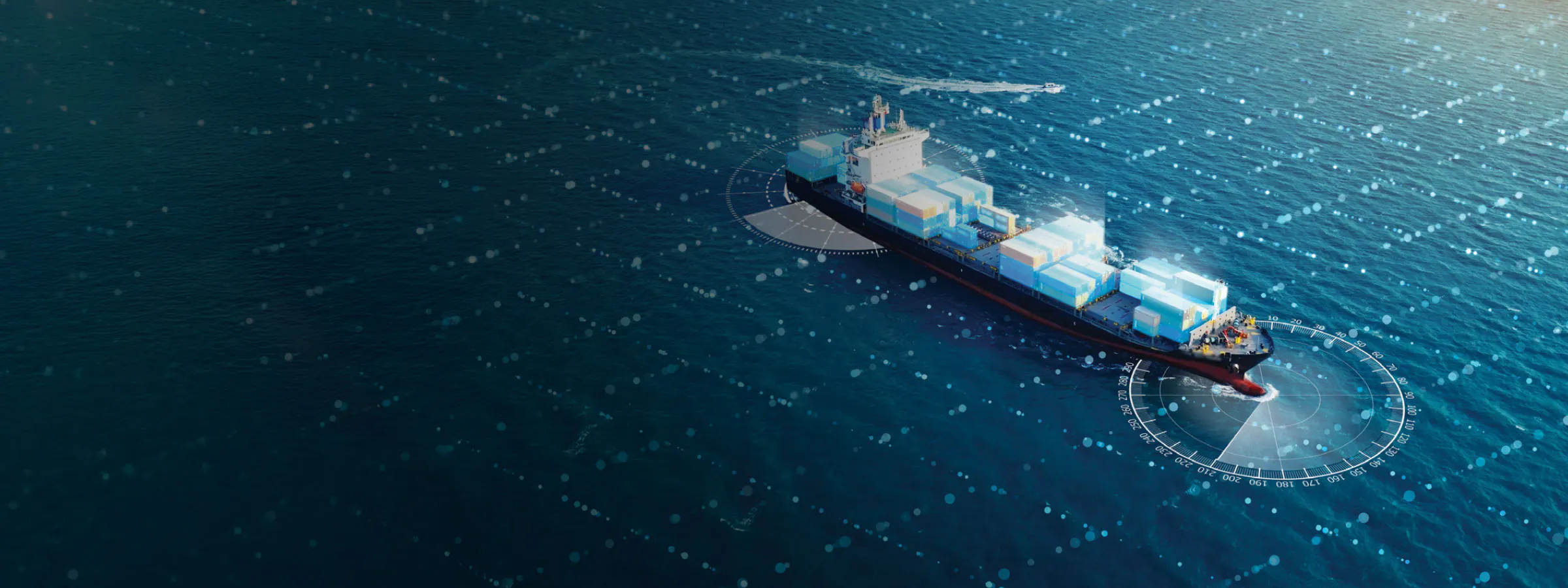
Modern vessels generate large volumes of operational data, but turning that information into useful action can still be a challenge. When data is processed manually or remains spread across separate systems, operators may face delays in reporting, maintenance planning and critical decisions.
Real-time vessel intelligence can help close this gap. By analysing operational, performance and safety data as it becomes available, maritime teams can gain clearer insights, respond faster and take a more proactive approach to vessel operations.
Why Is Real-Time Data Important for Maritime Operations?
Sea trials are a crucial stage before a vessel can enter service. These open-water evaluations assess how a vessel performs, and Classification Societies use the results as part of the qualification process. However, manual processing of trial data can be time-consuming and may make it harder to identify useful insights quickly.
Real-time data analysis changes how this information can be used. Instead of waiting for data to be collected, processed and reviewed separately, operators can access clearer performance information sooner. This can support faster reporting, better decisions and more efficient vessel acceptance and delivery.
Combined with our deep expertise in naval architecture and proprietary knowledge of vessels, there was immense potential for AI to empower sound decisions, expand cost benefits and improve crew safety
Fan Jun Wei, Product Lead, ZAEL Marine, ST Engineering
Key operational areas where real-time intelligence adds immediate value include:
Digital transformation at sea does not require replacing established infrastructure. An intelligent data layer works alongside existing Ship Control & Monitoring Systems (SCMS), uniting disparate data streams into a single, comprehensive view.
Technology adoption does not always mean costly upgrades with long downtimes. We are constantly looking for ways to streamline the transition for fleets; mining the digital gold outweighs the cost of implementation
Vincent Chua, Business Development Lead, ST Engineering
ST Engineering's ZAEL is designed as a platform-agnostic, intelligent data layer that integrates with existing ship monitoring systems. It continuously structures, contextualizes, and analyzes operational, performance, and safety data across the entire vessel lifecycle.
Performance validation often requires large amounts of data to be reviewed before meaningful conclusions can be reached. For commercial and defence vessels, including workboats, ferries and high-performance craft, faster analysis can help shorten the time between completing a trial and understanding the results.
ZAEL Sight is designed to automate vessel performance reporting and turn propulsion, navigation, manoeuvring and engine data into clearer performance insights. According to ST Engineering, the current platform can automatically process trial data and generate performance reports within one minute of trial completion, supporting faster verification and issue identification.
Performance validation typically requires reviewing vast amounts of complex data before drawing actionable conclusions. For commercial and defense vessels, including workboats, ferries, patrol craft, and high-performance vessels, faster analysis significantly shortens the time between completing a trial and securing vessel acceptance.
ZAEL Sight automates performance reporting by converting propulsion, navigation, maneuvering, and engine data into clear, actionable insights aligned with International Maritime Organization (IMO) standards. The platform processes sea trial data and generates automated performance reports within one minute of trial completion—slashing the overall seaworthiness qualification cycle from 3 weeks down to minutes while helping operators avoid expensive retrial costs.
For tactical operators, Sight provides real-time driving feedback that improves maneuvering agility. In patrol boat applications, rapid directional changes with up to 46% tighter turning diameters are now safely achievable when mission success depends on agility.
| Operational Challenge | How Real-Time Intelligence Can Help |
|---|---|
| Slow Processing of Sea Trial Data | Automates analysis and performance reporting |
| Limited Visibility into Vessel Efficiency | Tracks operational trends and benchmarks performance |
| Delayed Identification of Deterioration | Detects changes in key performance indicators earlier |
| Difficulty Verifying Corrective Actions | Helps assess performance before and after intervention |
Traditional maintenance schedules are often based on predefined intervals. While this approach remains important in many situations, equipment condition can change between scheduled inspections. Earlier visibility into abnormal behaviour can give crews and technical teams more time to assess and address potential problems.
ZAEL Pulse supports a transition toward condition-based maintenance through continuous monitoring of machinery and equipment health. It uses data analytics and machine learning to identify abnormal behaviour and emerging issues before they develop into operational disruptions or equipment failures.
For operators, the goal is not simply to receive another alert. Useful predictive maintenance information should help teams understand what may be happening and provide enough time to consider the appropriate response. This can support more focused maintenance planning and reduce the risk of unexpected disruptions.
ZAEL Pulse monitors assets such as engines, generators, and pumps, while also supporting fleet-wide visibility for onshore technical teams. When anomalies are detected, the system can provide root-cause analysis and recommended actions to help teams coordinate targeted interventions.
Practical benefits may include:
Real-time intelligence can also support safer vessel operations by giving crews access to clearer information when it matters. When performance, operational and equipment data are analysed continuously, teams can focus on responding to meaningful changes instead of manually sorting through large volumes of raw information.
This approach is particularly valuable when vessels operate in demanding environments where timely decisions can affect efficiency, mission readiness and safety. ST Engineering's broader ZAEL platform also includes capabilities for digital watchkeeping and safety and compliance benchmarking, showing how data intelligence can extend beyond performance and maintenance.
The greatest value of maritime data may come from connecting information that would otherwise remain isolated. A unified intelligence layer can help operators see the relationship between vessel performance, equipment condition and operational activity, creating a stronger foundation for informed decisions.
ZAEL is designed to integrate with existing systems without requiring the replacement of established Ship Control & Monitoring Systems. When integrated with ST Engineering's NERVA Ship Management and Sensemaking System, it can provide a more streamlined experience while maintaining an open and vendor-neutral architecture.
By transforming existing vessel data into actionable intelligence without requiring complete hardware overhauls, ST Engineering’s ZAEL platform demonstrates how real-time vessel intelligence is shifting maritime operations from a reactive model to a proactive one. Faster performance reporting, earlier equipment fault detection, and clearer operational insights empower crews and fleet managers to make decisions with greater confidence, ensuring safer, smarter, and more efficient operations as maritime fleets become increasingly connected.
By subscribing to the mailing list, you confirm that you have read and agree with the Terms of Use and Personal Data Policy.