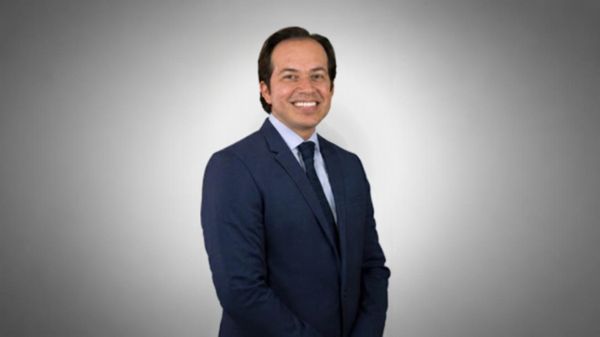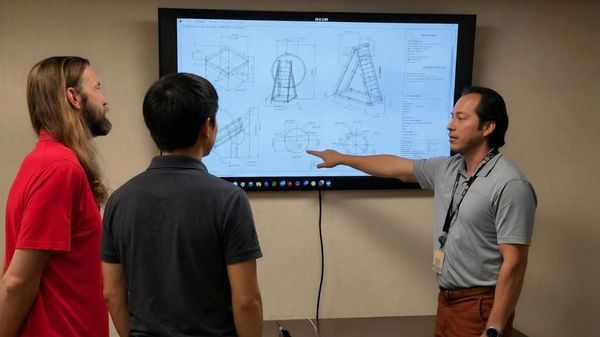
From Navy engine room to Director of Engineering at ST Engineering San Antonio Aerospace, Henry Gallegos' journey has been anything but traditional. He brings a hands-on perspective forged as a Gas Turbine Mechanic, aircraft mechanic, and lifelong learner. In this Q&A, Henry shares how that experience shaped his approach to technical problem-solving, mentorship, and building an engineering team that thrives on collaboration, safety, and continuous improvement.
Q: What first sparked your passion for aerospace engineering, and how has that original drive evolved throughout your journey leading up to your role at ST Engineering San Antonio Aerospace (SAA)?
My path to aerospace was non-traditional — I started in the U.S. Navy as a Gas Turbine Mechanic and engine room operator, where I developed a respect for complex machinery, disciplined operations, and reliability through troubleshooting. After the Navy, I pursued aviation as a natural fit, trained as an aircraft mechanic, joined ST Engineering San Antonio Aerospace, and earned my bachelor's degree while gaining experience across the organization. What began as a passion for working on aircraft evolved into a passion for solving bigger technical and operational challenges. Today I focus on helping teams overcome complex issues, improving processes, and developing the next generation of leaders, driven by continuous learning and supporting our customers and people.
Q: From your perspective, what major technical capability or innovation currently sets the SAA engineering team apart in today's fast-moving MRO landscape?
What really sets our team apart is our ability to combine strong technical expertise with a practical understanding of the maintenance operation. Our engineers don't work in a vacuum. We work closely with maintenance, production, quality, and our customers to develop solutions that are technically sound and operationally effective. The MRO environment is constantly evolving, and every aircraft presents its own unique challenges. Our team's ability to quickly assess issues, collaborate across departments, and implement solutions while maintaining the highest standards of safety and compliance is a significant strength. We're also continuing to leverage digital tools, data, and process improvement methods to help us work more efficiently and better support our customers.
Q: Engineering relies heavily on precision, safety, and high-performing collaboration. How do you foster a culture of problem-solving and mentorship within your engineering teams at SAA, especially when managing demanding project timelines?
I try to create an environment where people feel comfortable asking questions, raising concerns, and bringing forward new ideas. Some of the best solutions come from the individuals who are closest to the work, so it's important that everyone feels empowered to contribute. When challenges arise, we focus on understanding the problem, identifying the root cause, and working together to find the best solution. I believe in addressing issues without assigning blame and using every challenge as a learning opportunity.
Mentorship is also a big part of my leadership approach. I've been fortunate to have leaders throughout my career who pushed me to grow, and I try to do the same for others. Technical skills are essential, but so are communication, collaboration, and leadership skills. My goal is to help develop well-rounded professionals who can take on increasingly larger roles in the future. Even when schedules are demanding, we stay focused on what matters most: safety, quality, compliance, and supporting one another as a team.
Q: Looking back at your tenure with SAA, is there a particular program, aircraft modification, or technical hurdle your team overcame that you are most proud of? What made that milestone so memorable?
I've had the opportunity to be involved in complex aircraft modifications, significant technical troubleshooting efforts, and major process improvement initiatives. What I'm most proud of isn't any one accomplishment, but the way our teams consistently come together to solve difficult problems and deliver results for our customers.
Q: As aerospace engineering rapidly integrates new digital tools, sustainability efforts, and advanced technologies, where do you see the biggest opportunities for SAA’s engineering division over the next few years?
I think one of the biggest opportunities is continuing to leverage digital technologies to make better and faster decisions. Tools such as data analytics, automation, artificial intelligence, and enhanced knowledge management systems have the potential to improve efficiency and help our teams focus more of their time on solving technical problems rather than administrative tasks. I also see continued opportunities in process improvement. Even in a highly technical industry like aerospace, there is always room to improve how information flows, how work is planned, and how teams collaborate. At the end of the day, technology is an enabler. The organizations that will be most successful are the ones that combine advanced tools with talented people, strong processes, and a relentless commitment to safety and quality.
Q: Any advice for future young engineers?
First, never stop learning. The aerospace industry is constantly evolving, and the most successful professionals are the ones who stay curious and continue developing their skills throughout their careers.
Second, don't be afraid to start wherever the opportunity presents itself. I began my career in the Navy as a Gas Turbine Mechanic, later became an aircraft mechanic, and eventually moved into engineering and leadership roles. Every step along that journey taught me something valuable and helped prepare me for the next opportunity.
I would also encourage young engineers to spend time understanding the operation, not just the technical theory. Some of the best engineers I've worked with are the ones who understand how their decisions impact the people performing the work and the customers relying on the end result.
Finally, be willing to take on difficult challenges. Growth doesn't usually happen in your comfort zone. The projects that seem the most challenging often end up being the most rewarding and the ones that teach you the most.
Join us in shaping a brighter future! Explore our latest job openings and pursue a rewarding career with us.
By subscribing to the mailing list, you confirm that you have read and agree with the Terms of Use and Personal Data Policy.